
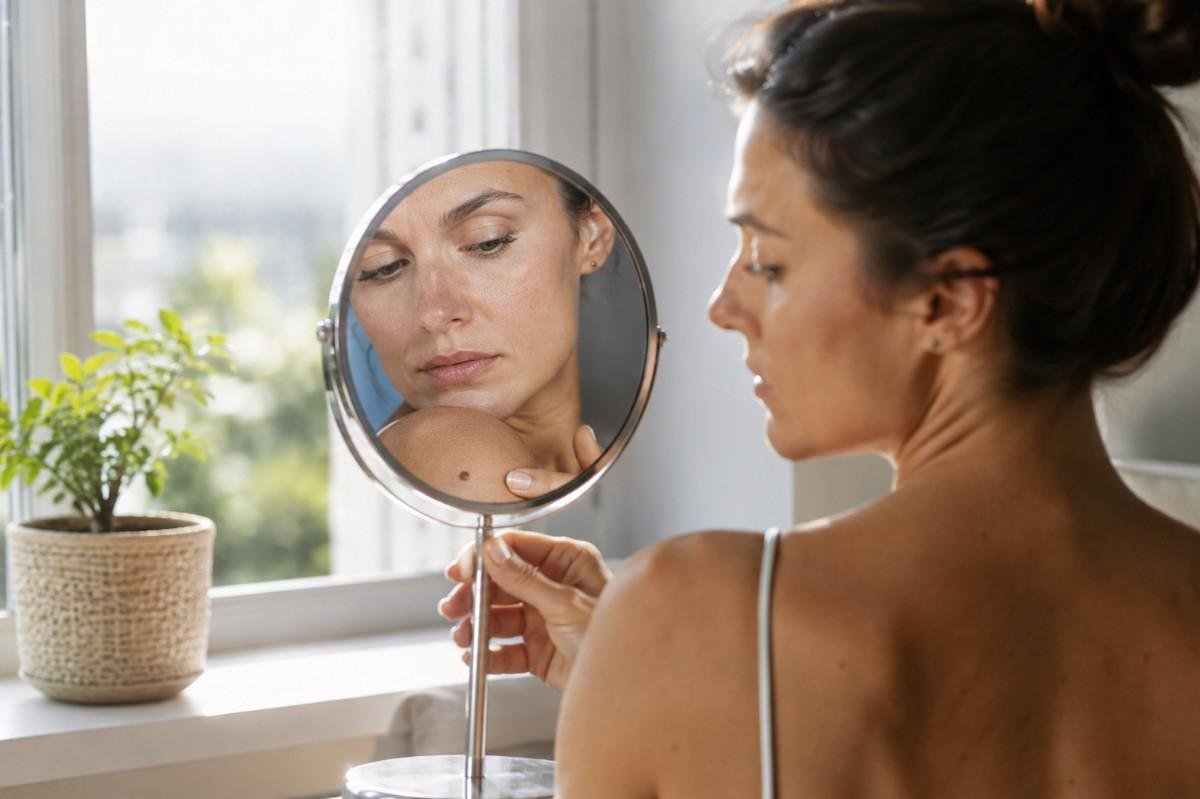
Your skin is your body’s largest organ, serving as a vital shield against environmental threats, bacteria, and harsh weather. Despite its importance, many people treat skin health as an afterthought. A new blemish, a persistent itch, or a rough patch is easily brushed off as a temporary annoyance. You might assume it will clear up on its own, only to find the problem spreading or becoming painful weeks later.
Common Skin Problems Often Overlooked
Many skin conditions share similar early symptoms, making them easy to dismiss. However, each requires a specific approach to management and treatment.
Acne: A Condition That Persists Into Adulthood
Acne is widely considered a teenage rite of passage, leading many adults to ignore severe breakouts. Adult-onset acne is incredibly common and often driven by hormonal fluctuations, stress, or unsuitable skincare products.
Leaving cystic acne untreated can cause deep tissue damage, resulting in permanent pitted scars and dark spots. Early intervention with topical treatments or prescription medication can halt breakouts before they leave a lasting mark.
Eczema: The Itch That Won’t Quit

Eczema typically presents as red, inflamed, and intensely itchy patches of skin. People often mistake mild eczema for standard winter dryness and try to fix it with basic drugstore lotions. Unfortunately, standard moisturizers often contain fragrances and preservatives that aggravate the skin barrier further. Continuous scratching can break the skin, inviting bacterial infections that complicate the healing process.
Psoriasis: Chronic Inflammation
Characterized by thick, scaly plaques, psoriasis is an autoimmune condition where skin cells multiply too rapidly. Because the plaques often appear on elbows, knees, or the scalp, people frequently mistake them for severe dandruff or dry skin. Psoriasis is linked to systemic inflammation and can be associated with psoriatic arthritis. Ignoring the skin symptoms can delay a broader diagnosis that might affect your joints and overall well-being.
Rosacea: The Persistent Blush
A flushed face after a workout or a glass of wine is normal. However, if that redness lingers and is accompanied by visible blood vessels or acne-like bumps, you might be dealing with rosacea. Many individuals try to cover the redness with makeup instead of treating the root cause. Without proper management, rosacea can worsen over time, leading to thickened skin and severe eye irritation.
Moles and New Growths: What to Watch For
Most moles are harmless. That harmless nature causes many people to stop paying attention to the spots on their skin. A changing mole is one of the most critical warning signs of melanoma, a serious form of skin cancer. You should routinely check your skin for asymmetrical growths, have irregular borders, feature multiple colors, or be growing in size.
Warts: A Stubborn Viral Infection
Warts are caused by the human papillomavirus (HPV) and often appear on the hands and feet. Because they are generally painless at first, people tend to leave them alone, hoping they will vanish. Warts are contagious and can easily spread to other parts of your body or to other people. Over-the-counter freezing kits can sometimes help, but stubborn growths often require professional treatment.
Why Do We Ignore These Problems?
People delay addressing skin issues for several reasons. A lack of time and the hassle of scheduling a medical appointment often sit at the top of the list. We convince ourselves that a minor rash or bump does not justify a trip to the doctor.
Fear also plays a significant role. Some individuals worry that a strange mole will result in a frightening cancer diagnosis, so they avoid finding out the truth. Others feel embarrassed by conditions like adult acne or severe dandruff or causing hair loss and prefer to hide the problem rather than seek help. Cost can also be a barrier, leading people to rely on unverified home remedies instead of professional care.
When to Seek Professional Help
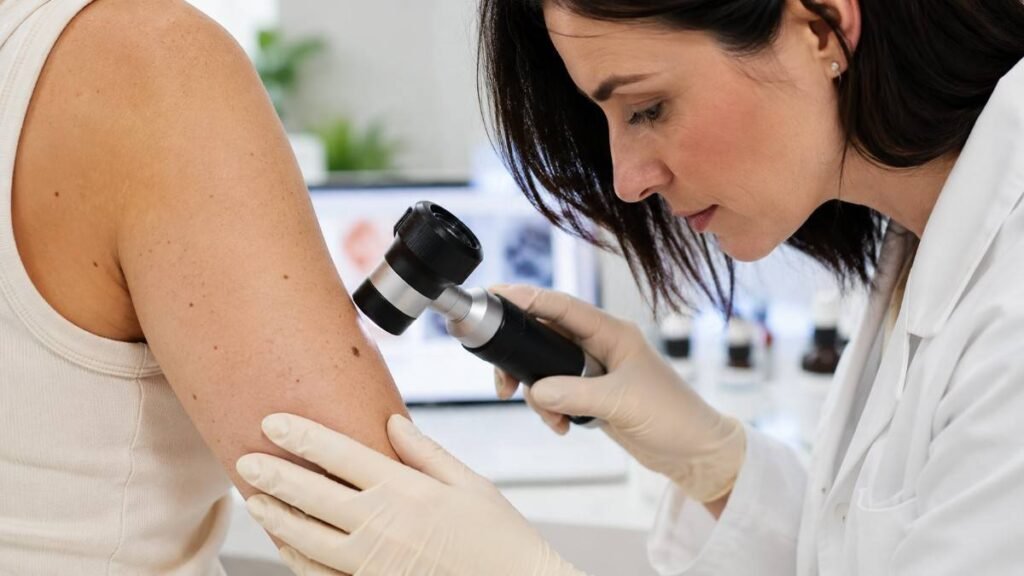
Monitoring your skin at home is a great habit, but certain symptoms require a medical expert. You should book an appointment with a doctor if a rash spreads rapidly, becomes painful, or starts blistering. Any mole that bleeds, oozes, or rapidly changes shape needs immediate evaluation.
For persistent issues that do not respond to over-the-counter treatments, a specialist is your best resource. For example, if you have a painful plantar wart on your foot that makes walking difficult, you should consult a warts dermatologist in Ogden, UT, to safely and effectively remove the infection. Do not attempt to cut or burn off stubborn growths at home, as this can lead to severe infections and scarring.
Prevention and Early Intervention
Maintaining a healthy skin barrier is your first line of defense against most dermatological issues. Establish a daily routine that includes a gentle cleanser and a fragrance-free moisturizer.
Sun protection is absolutely vital. Apply a broad-spectrum sunscreen with an SPF of at least 30 every single day, regardless of the weather. UV damage accelerates aging, triggers rosacea flare-ups, and dramatically increases your risk of skin cancer.
Keep a close eye on your skin and note any changes. Taking a quick photo of a suspicious mole or rash can help you and your doctor track its progression over time.
Conclusion
Your skin communicates vital information about your overall health including signs of emotional exhaustion. By paying attention to what it tells you, you can catch minor issues before they disrupt your daily life. Stop relying on temporary fixes for chronic problems. Take a few minutes today to check your skin for any unusual changes.
If you notice a persistent rash, a changing mole, or an irritating breakout, schedule an appointment with a healthcare professional. Investing a little time into your skin health now will keep you glowing, comfortable, and protected for years to come.